This post may contain affiliate links, please see the privacy policy for details.
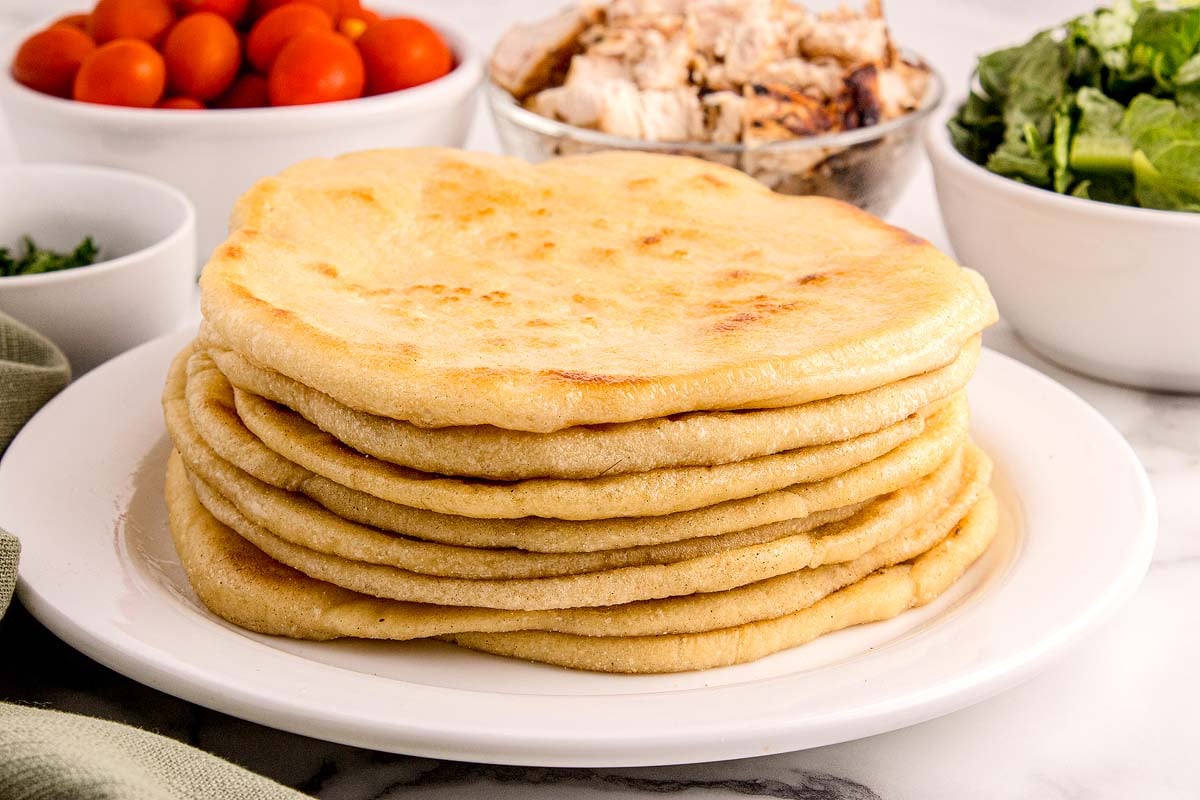
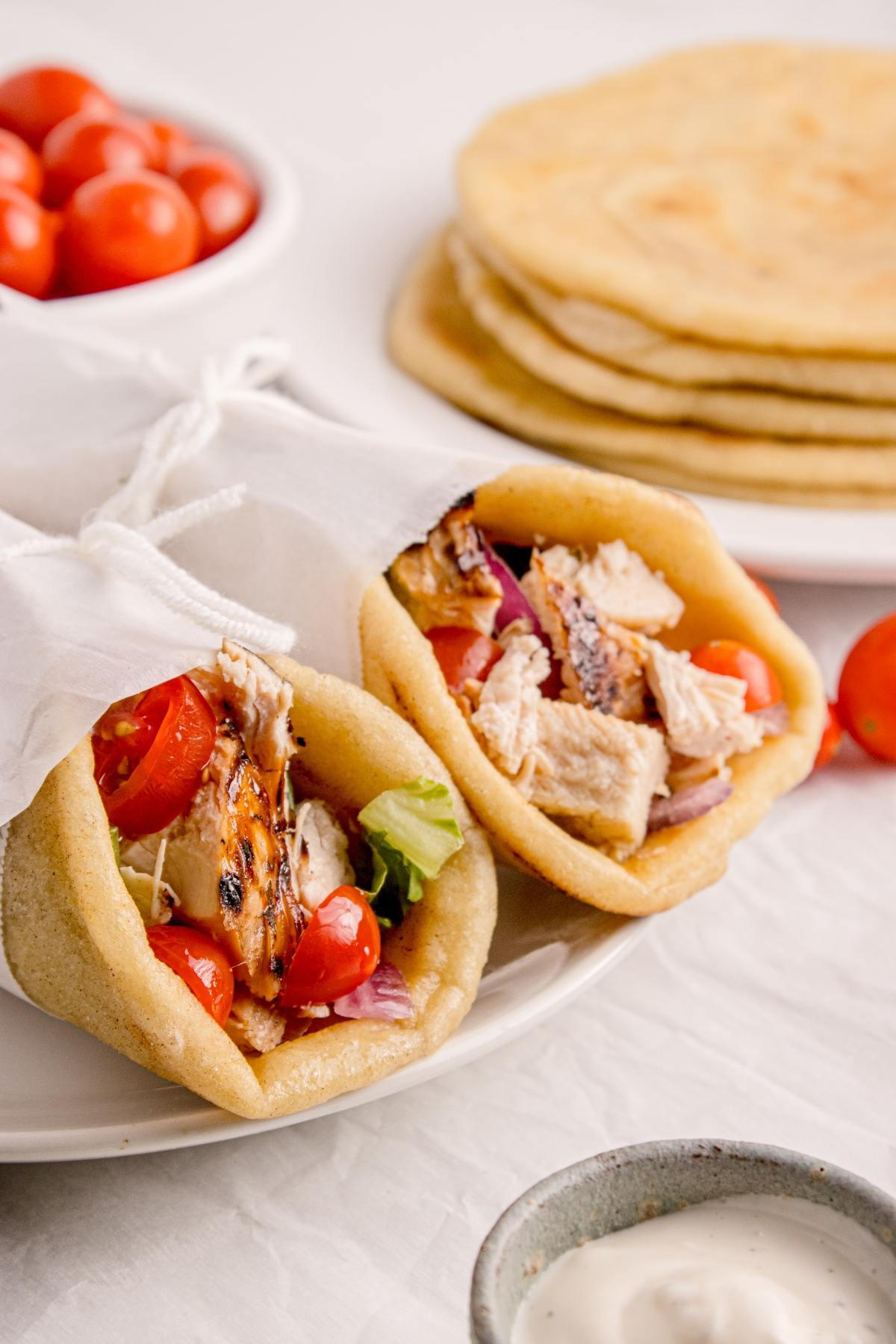
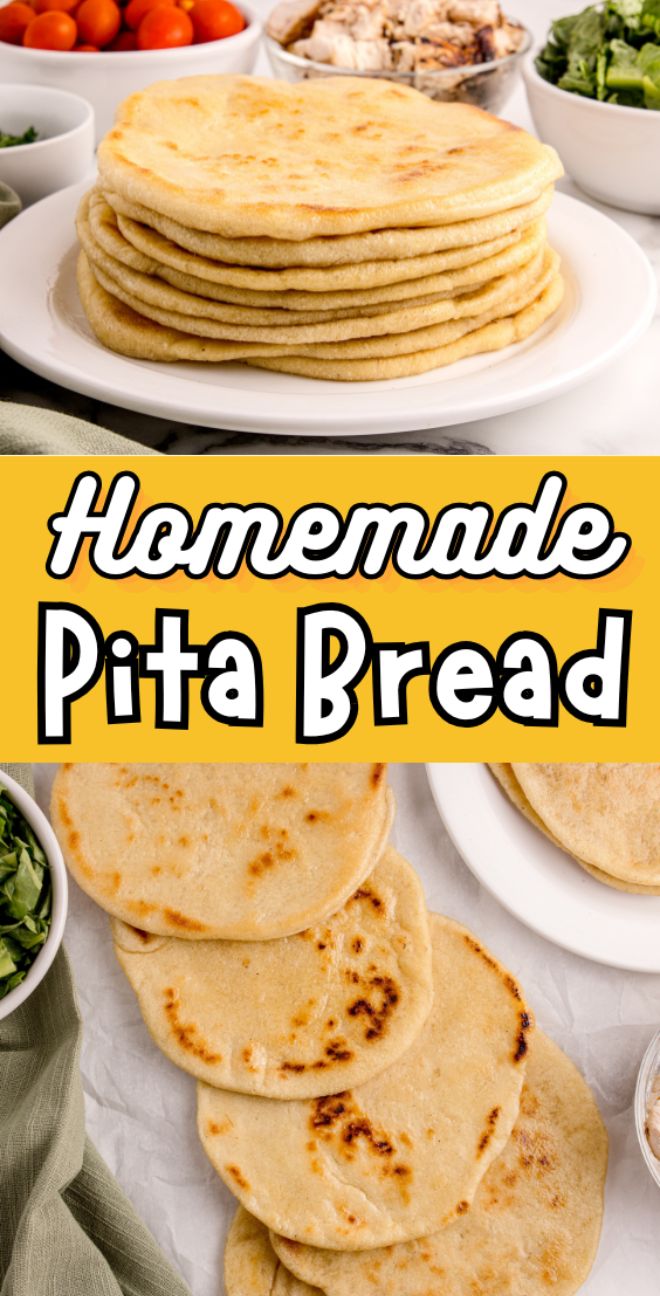
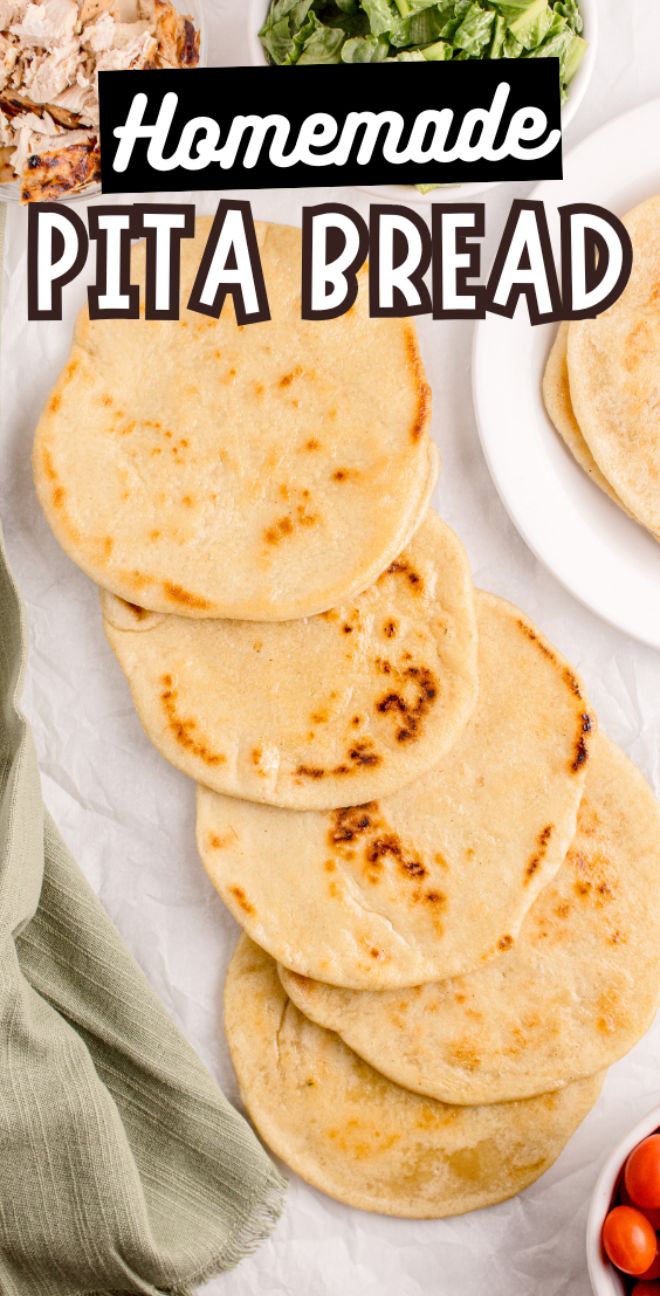
Warm, just the right amount of chewy and perfect for scooping up dips and sauces, pita bread is the easy flatbread you’ll want on repeat. You mix a soft dough, let it rise, then roll and cook until it puffs into pockets. A hot skillet does the trick without needing any special equipment. Use pita bread for wraps, mezze boards or quick pizzas. The method is simple, the results feel bakery fresh and this homemade pita bread is so much more delicious than store bought pita bread.
Why You’ll Love It

Make soft pita bread at home with simple ingredients and a hot cast iron skillet. It puffs into pockets for wraps or dips and comes together fast for weeknight meals.
Simple pantry list: Flour, water, yeast, salt, oil and sugar are all you need.
Versatile: Works for sandwiches, mezze platters or pita chips.
Quick win: Short rise and stovetop cooking get bread on the table fast.
Pocket magic: The rounds puff for stuffing, dipping or topping.
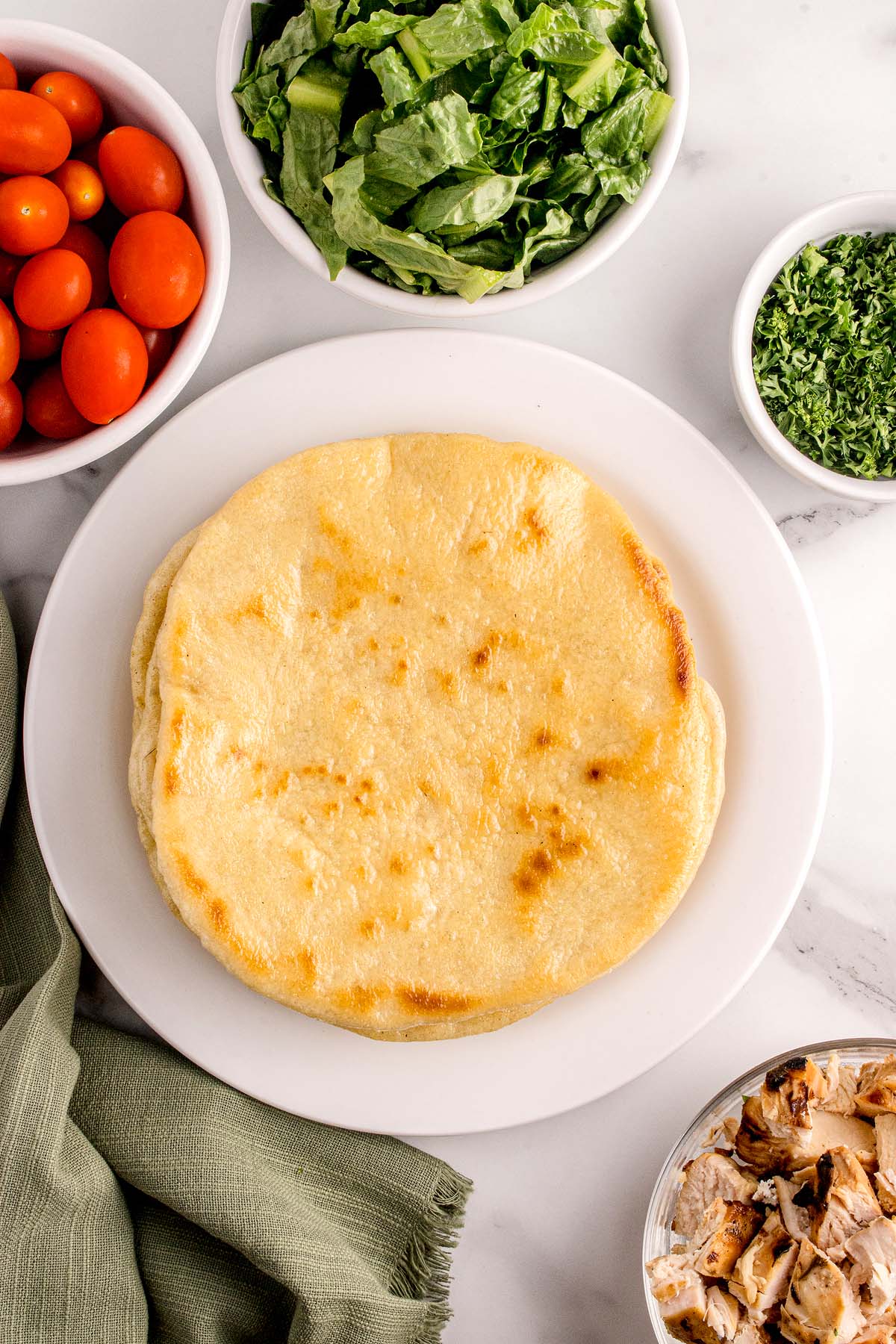
You may also like to try honeycomb bread, chocolate loaf bread, naan bread, Irish soda bread, and pumpkin crunch bread.
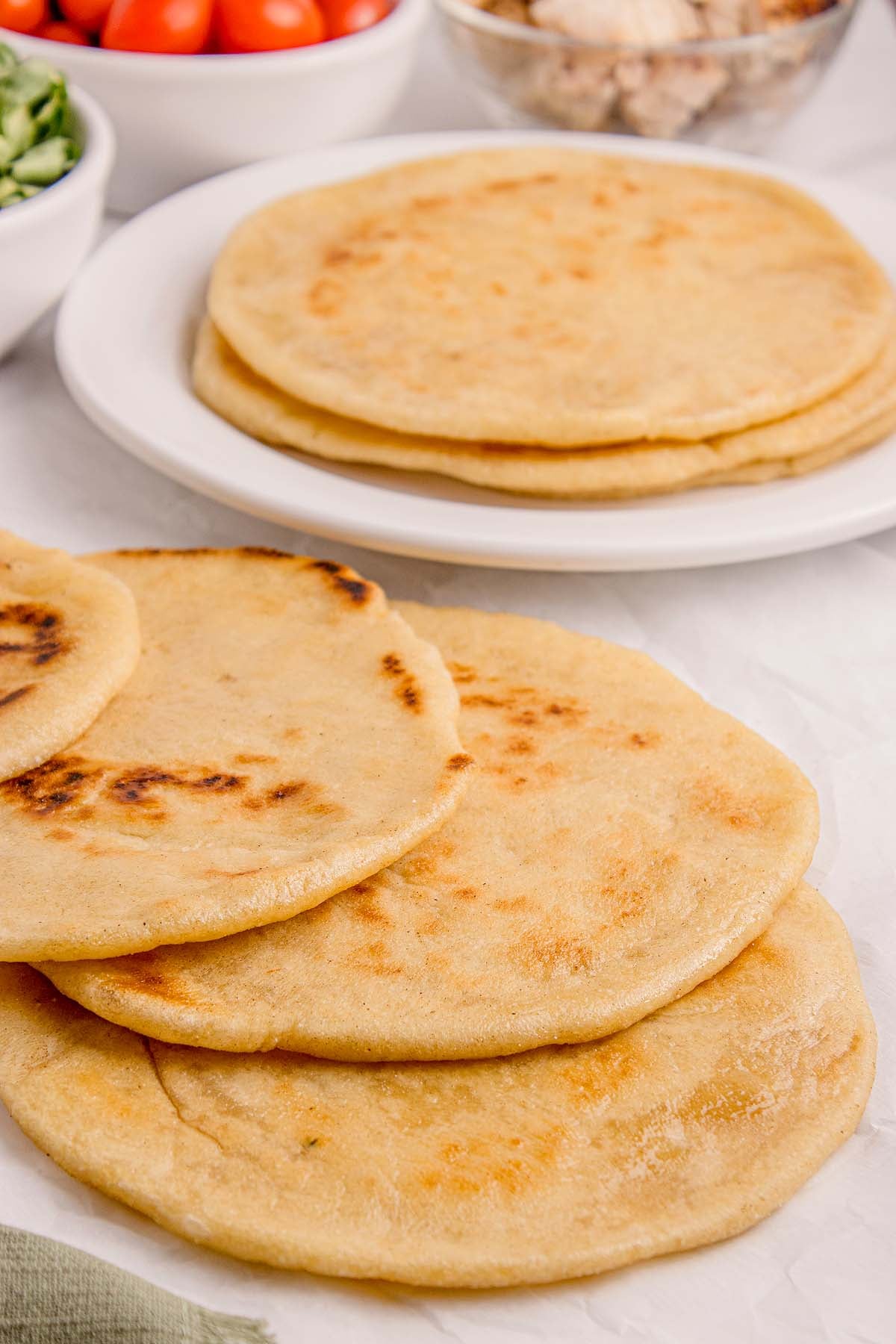
Easy Pita Bread Ingredients
A complete list of ingredients and amounts can be found in the recipe card below.
All purpose flour: Builds structure for soft, chewy rounds that still puff into pockets. White flour gives you just the right texture and structure for soft pita bread. For added nutrition and a nuttier flavor, you can swap out half the all-purpose flour for whole wheat flour, but keep in mind it might make the pita slightly denser. You can find both types of flour at most grocery stores.
Instant yeast: Lifts the dough so it’s light and tender without long proofs.
Warm water: Warm water activates the yeast and helps the dough mix together easily. Make sure it’s not too hot, because hot water can kill the yeast. Aim for a temperature of around 105°F. It should feel comfortably warm to the touch, like a warm bath.
Sugar: Feeds the yeast and helps browning without making the bread sweet. Although sugar gives the yeast food to help it activate faster, you can leave it out if you want and just allow more time for the dough to rise.
Salt: Salt is essential for flavor and it helps strengthen the gluten for a better chew. You can use kosher salt, fine sea salt, Himalayan, or regular table salt. Just make sure to mix it well so it’s evenly distributed.
Warm water: Brings the dough together and activates yeast gently.
Olive oil: Keeps the crumb supple and flexible for easy folding. You can substitute it with any mild oil if olive oil isn’t your preference.
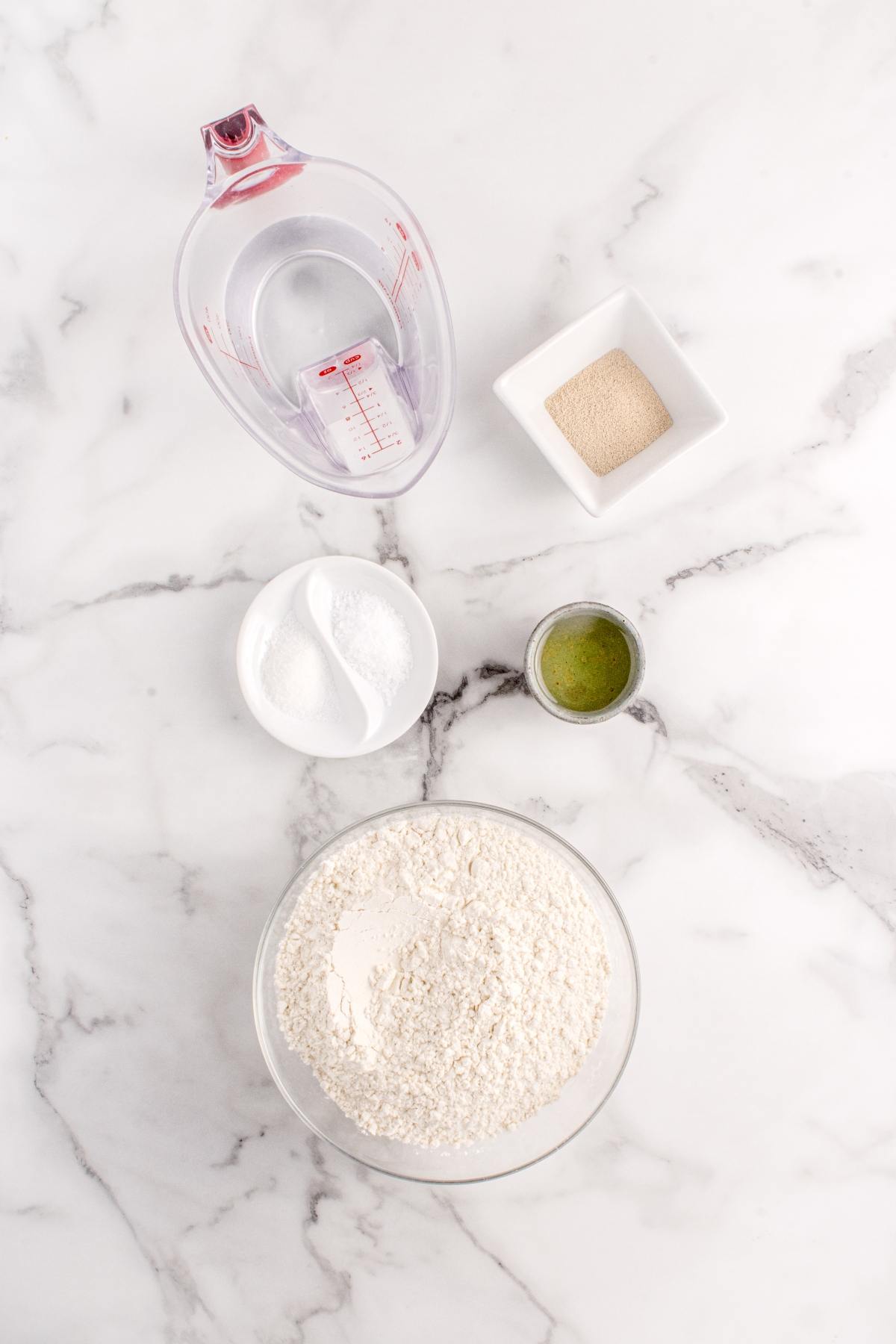
How to Make Pita Bread
For more detailed instructions with weights and measurements, jump to the printable recipe card.
Mix the dough: Combine flour, yeast, sugar, salt, warm water and oil in a large mixing bowl or the bowl of a stand mixer into a soft, stretchy dough. You can knead this yeast mixture by hand on a lightly floured surface or use a stand mixer with a dough hook attachment.
Let the dough rise: Cover and let the dough rest in a warm spot until doubled.
Portion and rest: Divide into 8 dough balls and relax the gluten under a towel.
Roll the rounds: Roll each dough ball to about ¼ inch thick with even pressure.
Cook hot: Dry cook in a large cast iron skillet, flipping as bubbles form until spotted and puffed.
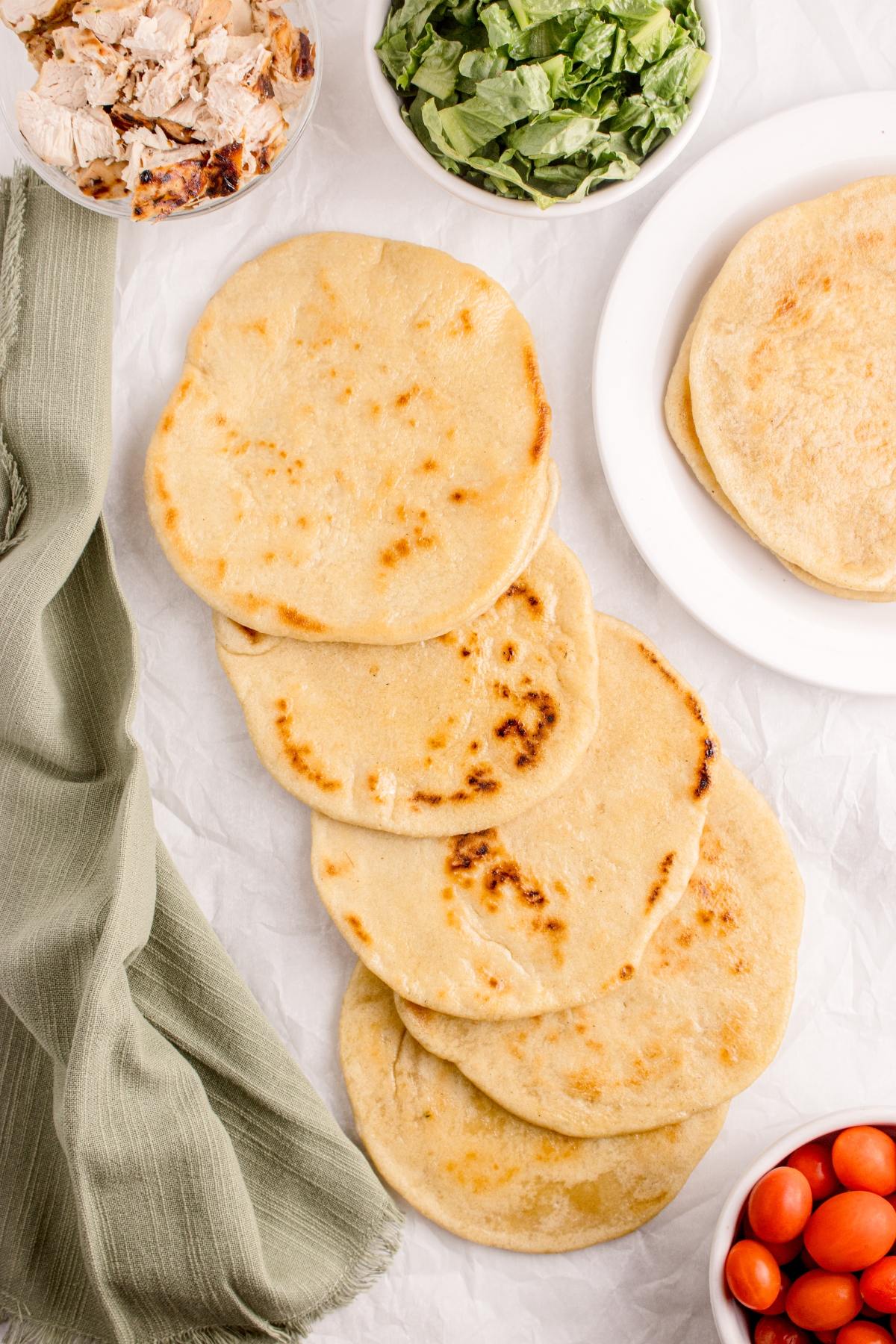
Substitutions and Variations
Whole wheat twist: Swap up to 50% of the flour with whole wheat flour for a nuttier flavor in the finished homemade pita bread.
Use active dry yeast: Bloom it in warm water with the sugar first, then mix as directed.
Yeast-free: You can try a quick version using baking powder instead, but it won’t develop the same complex flavor.
Gluten free option: Use a high quality 1:1 gluten free flour blend with xanthan gum and roll slightly thinner. The pockets may be smaller but the bread will still be tasty.
Garlic herb: Brush warm pitas with olive oil, garlic and parsley.
Oven bake: Heat a pizza stone or baking steel on the middle rack of the oven at 475°F for bigger dramatic puffs. Place the rolled-out pitas directly on the hot stone and bake for 3 or 4 minutes, keeping the oven door closed to maintain heat.
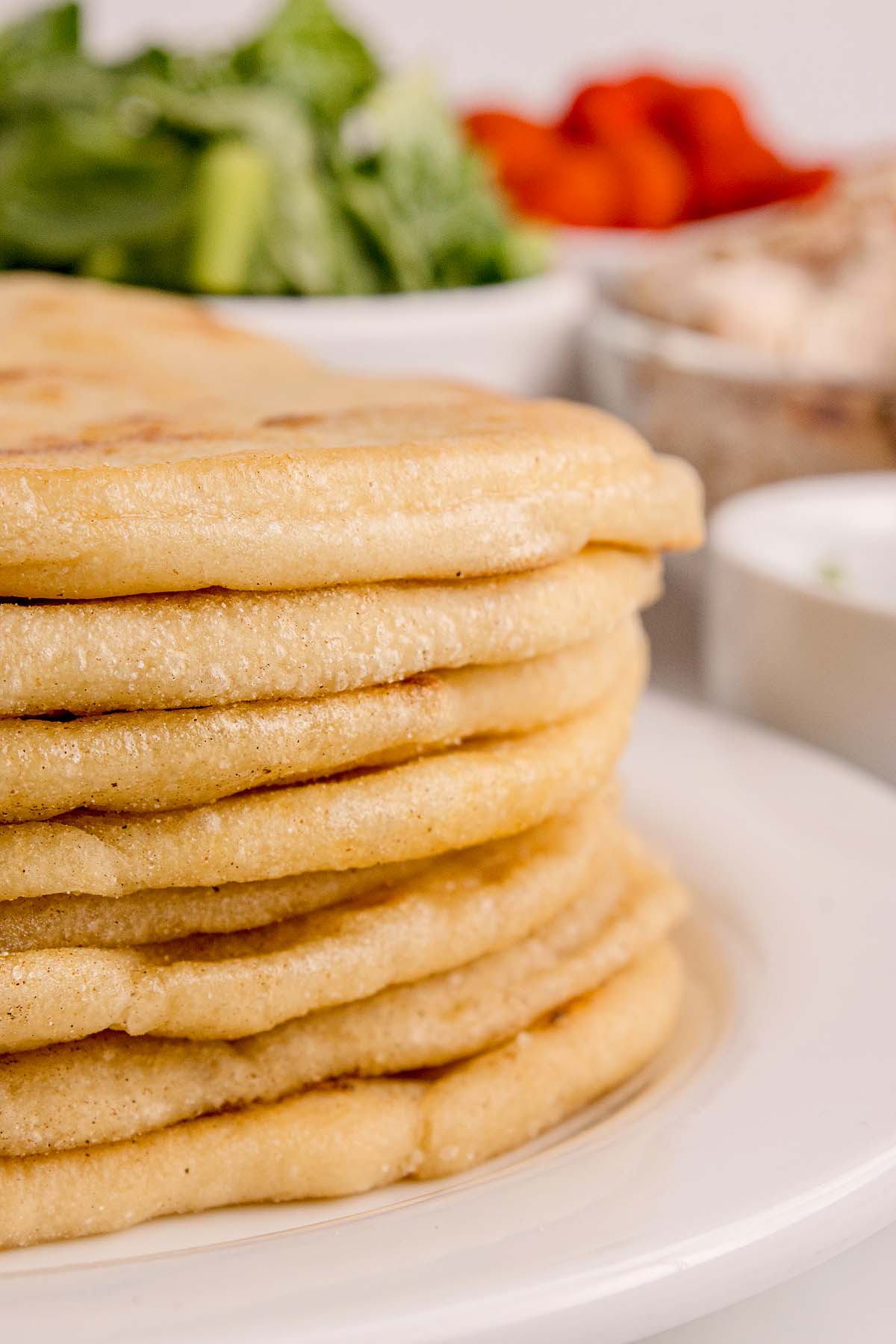
Serving Suggestions
With dips: If you make your own pita bread, you’re going to love the fresh flavor with your favorite dips. Anything goes, perhaps this baked artichoke dip, jalapeno popper dip, tzatziki, or dirty martini dip.
With a main course: This easy homemade pita bread is perfect with Greek lemon chicken, falafel, grilled fresh veggies and meat, beet hummus, and this Mediterranean chickpea skillet.
Make pita chips: Perfectly chewy, fluffy pita bread is tasty as it is, but you can also cut it into triangles and bake them to make pita chips, to enjoy a new crunchy texture.
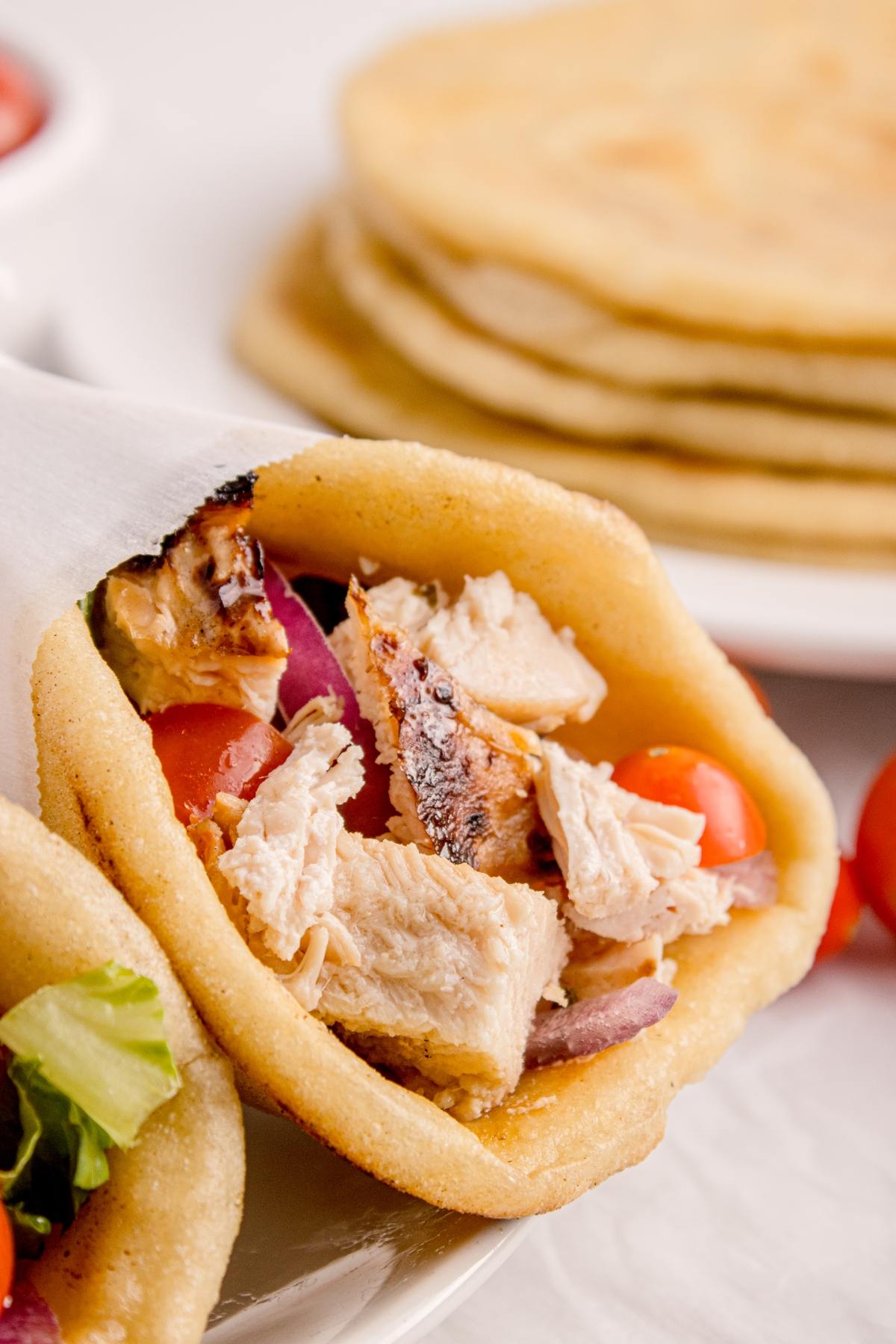
Make gyros: You can use this homemade pita recipe to make beef, lamb or chicken gyros.
Use it for sandwiches: Fill your pita bread with anything from pimento cheese to a rotisserie chicken salad, to make a change from regular sandwich bread.
How to Store
Store: Store your cooled fresh pita bread in an airtight container or plastic bag at room temperature for 2 to 3 days.
Freeze: Let the baked pitas cool completely before stacking them with a sheet of parchment paper between each one to prevent sticking. Place the leftover pita in an airtight container or freezer plastic bag and freeze them for up to 2 months.
Thaw: To use frozen pitas, thaw them at room temperature or warm them directly from frozen in a hot skillet or oven.
Reheat: Wrap the pitas in foil and heat for 10 minutes at 350°F in the oven, or warm a dry skillet over a medium heat and toast each pita, flipping once or twice until warm and pliable. Another reheating method is to wrap each pita in a damp paper towel and heat for 20 to 30 seconds in the microwave, watching closely to avoid rubbery bread.
Top Tips
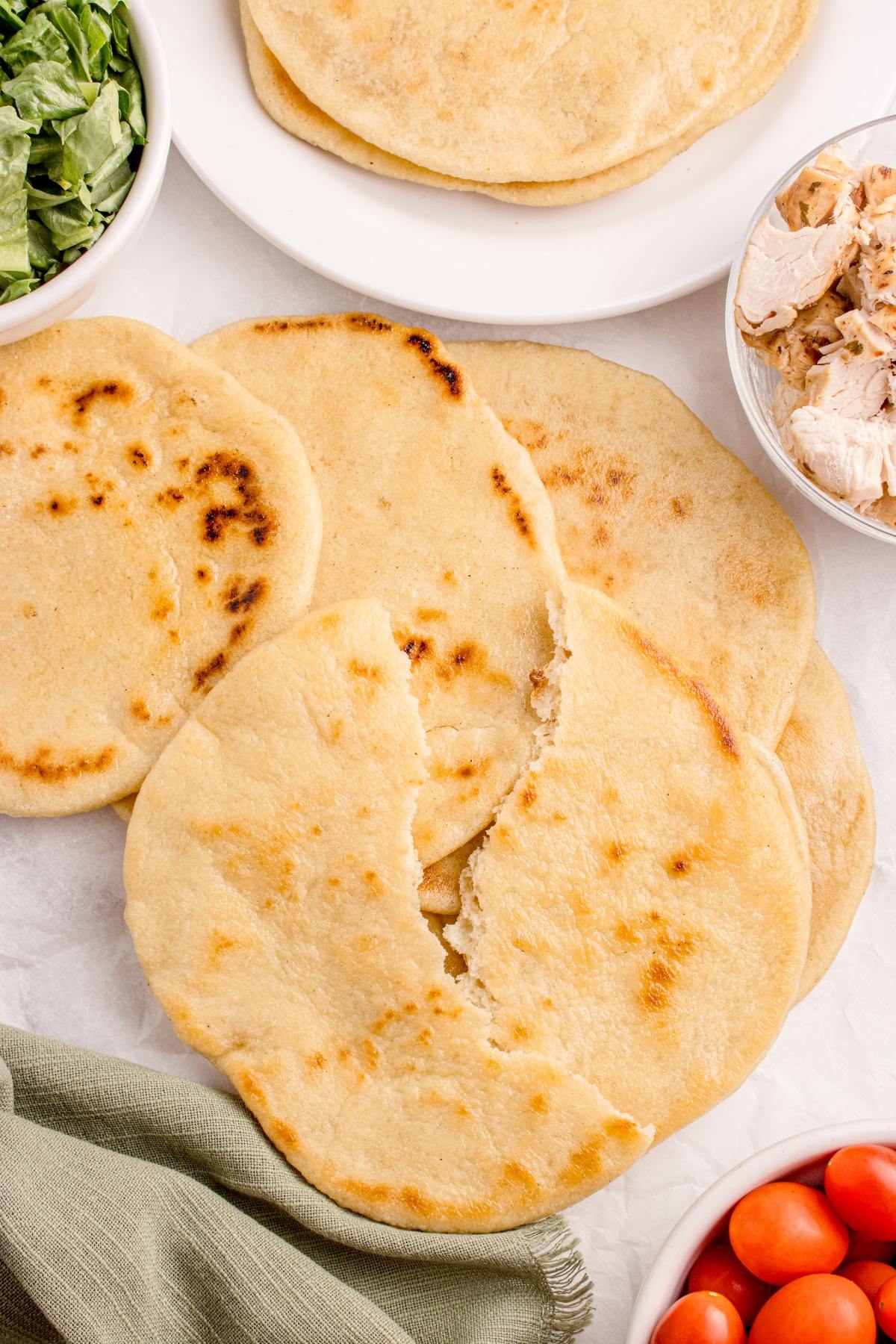
Get your dough just right: The pita dough should be soft and slightly sticky but not sticking to your fingers. If it’s too dry, your pitas won’t puff up nicely; if it’s too wet, they can become tough. Don’t use too much flour when rolling.
Roll evenly: Consistent thickness helps pockets form and bake evenly.
Heat the pan properly: A hot skillet or cast iron skillet is the secret to making perfect pita puffs. You want it hot so the dough steams quickly, creating air bubbles and pita pockets. Alternatively you can cook them using a pizza stone or baking steel in a hot oven at 475°F.
Cover the dough while resting: Once rolled, cover the rolled-out pitas with a clean kitchen towel to keep them from drying out. This helps give them a nice, soft texture once they are cooked.
Cover the cooked stack: Keep cooked pitas under a towel so they stay soft.
Don’t overflour: Light dusting only or the rounds can dry out.
Pita Bread FAQs
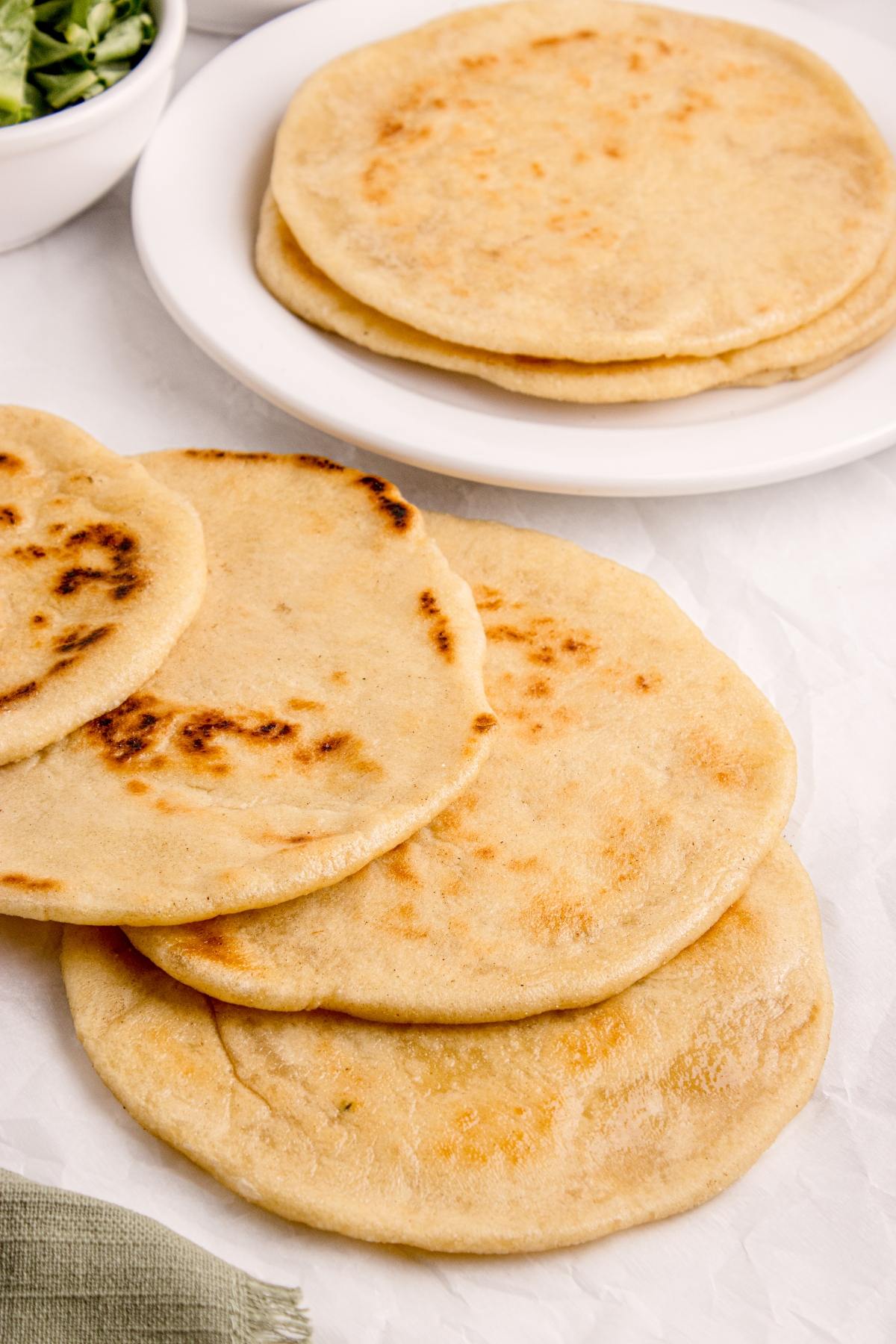
About ¼ inch is the sweet spot for puffing without turning cracker-like.
Any heavy bottomed skillet works if it preheats well and holds steady heat.
Common reasons are dough too dry, pan not hot enough or uneven rolling. Aim for a soft dough, strong heat and even ¼-inch thickness.
Easy Pita Bread Recipe

Pita Bread
Equipment
- Wooden Spoon or Dough Hook
- Cast Iron Skillet or Heavy-Bottomed Pan
Ingredients
- 3 ¼ Cups all-purpose flour
- 2 Teaspoons instant yeast
- 1 Teaspoon sugar
- 1 ¾ Teaspoons salt
- 1 Cup warm water
- 2 Tablespoons olive oil
Instructions
Mix the Pita Bread Dough
- If using a stand mixer: Add all the ingredients to the bowl of a stand mixer. Mix them on low speed with the dough hook for 2 to 3 minutes until a shaggy dough forms.
- Increase the speed to medium speed and mix for 6 to 7 minutes until the pita dough is smooth, soft, and stretchy.
- If mixing by hand: Add all the ingredients to a large mixing bowl and stir them with a wooden spoon until a shaggy dough forms.
- Turn the dough onto a lightly floured surface and knead it for 8 to 10 minutes until it's smooth and stretchy. Your pita dough is ready when it feels soft and you can stretch it without it breaking right away.
- Note: If the dough feels too sticky, sprinkle in flour 1 tablespoon at a time until it becomes manageable. If it’s too dry or crumbly, add water 1 tablespoon at a time until the dough comes together smoothly.
Let the Dough Rise
- Lightly oil the pita dough and turn it once so it's coated in oil.
- Cover the bowl with a lid, plastic wrap or damp clean kitchen towel and let it sit in a warm place for 1 hour, or until it doubles in size.
Shape the Dough
- Sprinkle a little bit of flour on your clean work surface. Gently deflate the puffed up dough and turn it out onto the lightly floured work surface.
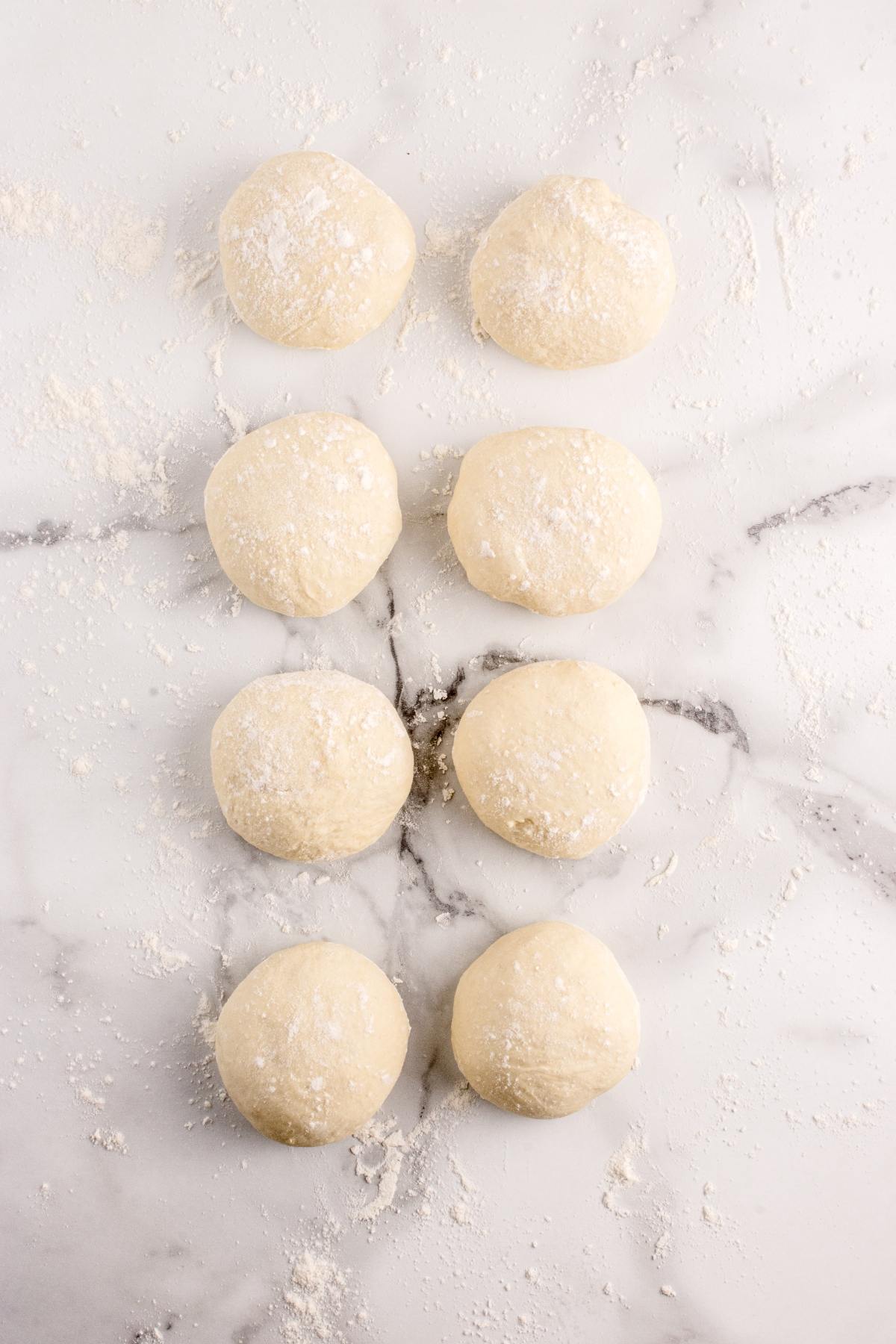
- Divide the dough into 8 equal pieces.
- Roll each piece into a dough ball with your hands, cover them with a clean kitchen towel, and let them rest for 10 minutes.
Roll Out the Pita Pockets
- Using a rolling pin, roll each dough ball into a flat circle, about 5 inches wide and ¼ inch thick. Keep the circles even for uniform cooking. The rolled-out pitas don’t have to be perfectly round, but consistent thickness is important.
Cook the Fresh Pita Bread
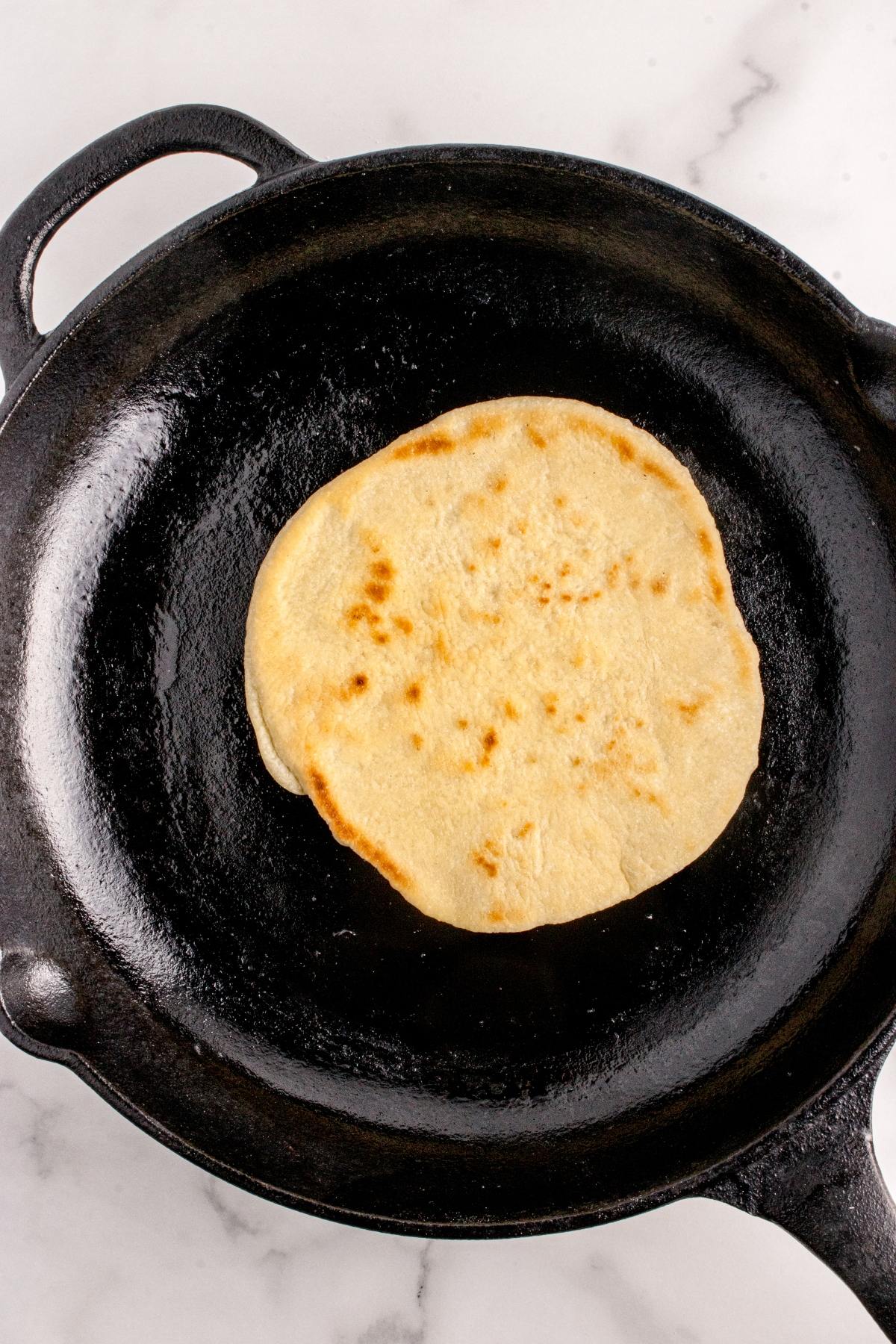
- Heat a cast iron skillet or hot skillet over medium heat (no oil needed). This is the best way to achieve perfect soft pita bread.
- Place a dough circle in the hot pan. Cook it for 30 seconds, then flip it.
- Gently press it lightly with a spatula. Watch for air bubbles. It should start to puff up into pita pockets. Flip it again and cook it until both sides have golden brown spots, 2 to 3 minutes in total.
- Remove the cooked warm pita and place it on a plate or baking sheet, immediately covering it with a clean kitchen towel to keep it warm.
- Repeat this step with the remaining dough balls. If your pita puffs don't form the first time, no worries! They will still be delicious.
Notes
Roll evenly: Consistent thickness helps pockets form and bake evenly.
Heat the pan properly: A hot skillet or cast iron skillet is the secret to making perfect pita puffs. You want it hot so the dough steams quickly, creating air bubbles and pita pockets. Alternatively you can cook them using a pizza stone or baking steel in a hot oven at 475°F.
Cover the dough while resting: Once rolled, cover the rolled-out pitas with a clean kitchen towel to keep them from drying out. This helps give them a nice, soft texture once they are cooked.
Cover the cooked stack: Keep cooked pitas under a towel so they stay soft.
Don’t overflour: Light dusting only or the rounds can dry out.
Nutrition


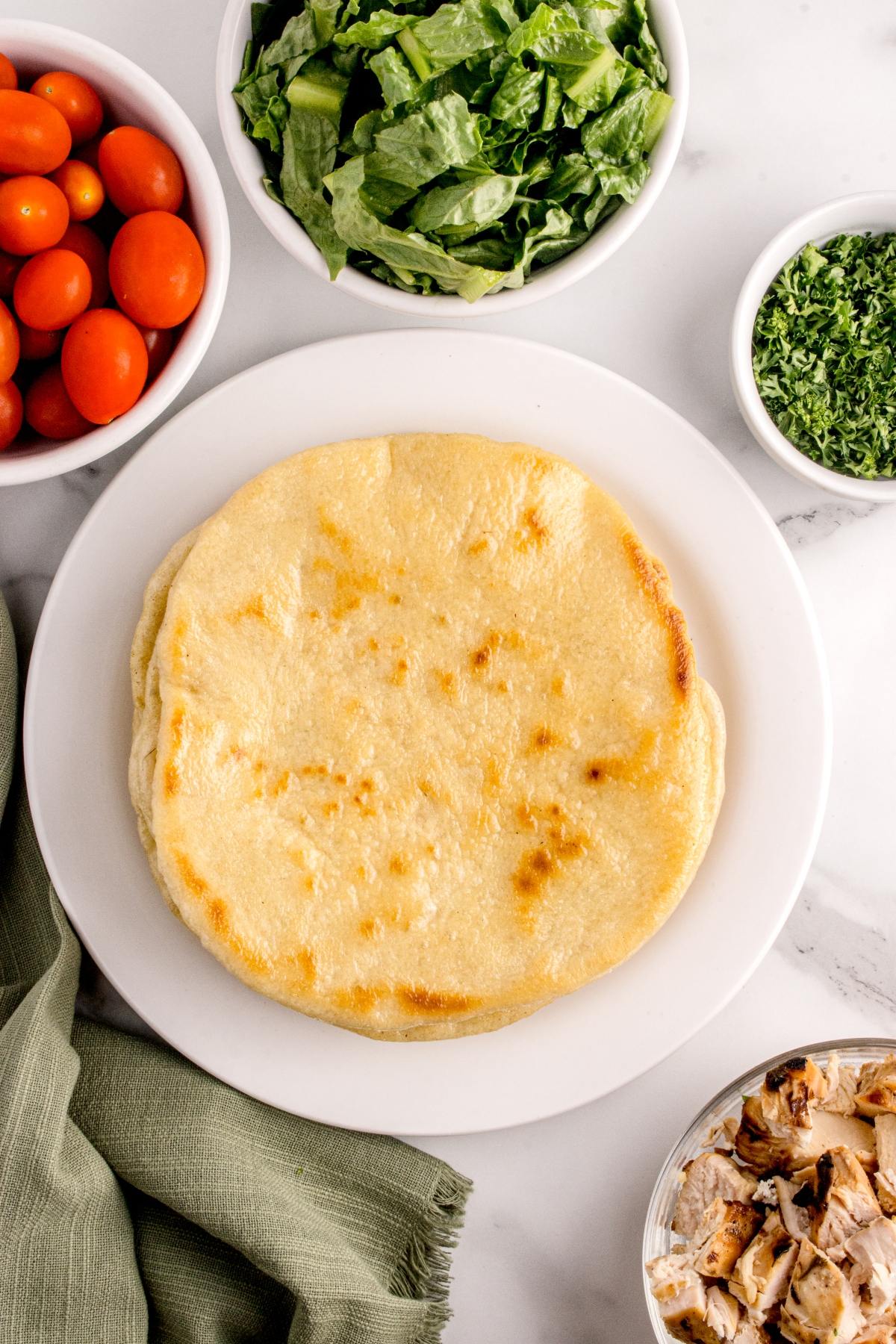
Fresh flatbread changes a meal and this method keeps it simple. Pita is one of the easiest homemade bread recipes of all. Simply mix a soft dough, give it a quick rise and then roll and cook until pockets appear and spots turn golden. The bread stays flexible and perfect for wraps and scooping. You could double up on this delicious recipe and make quick pizzas or chips too. With a little practice, pita bread becomes your go to for easy wins at dinner, and you’re going to love how simple this homemade pita bread recipe is to master.
Other Recipes to Try
Bella Bucchiotti
Bella Bucchiotti is a Canadian-based syndicated food, travel, and lifestyle writer, photographer, and creator at xoxoBella. She founded xoxoBella in 2015, where she shares her love for food, dogs, sustainability, fitness, crafts, outdoor adventures, travel, and philanthropy to encourage others to run the extra mile, try new recipes, visit unfamiliar places, and stand for a cause. Bella creates stress-free and family-friendly recipes for weeknight dinners and festive feasts.